


 Published: 17:39, November 11, 2026
Climate Change Is Driving the Expansion of Agricultural Insurance Models
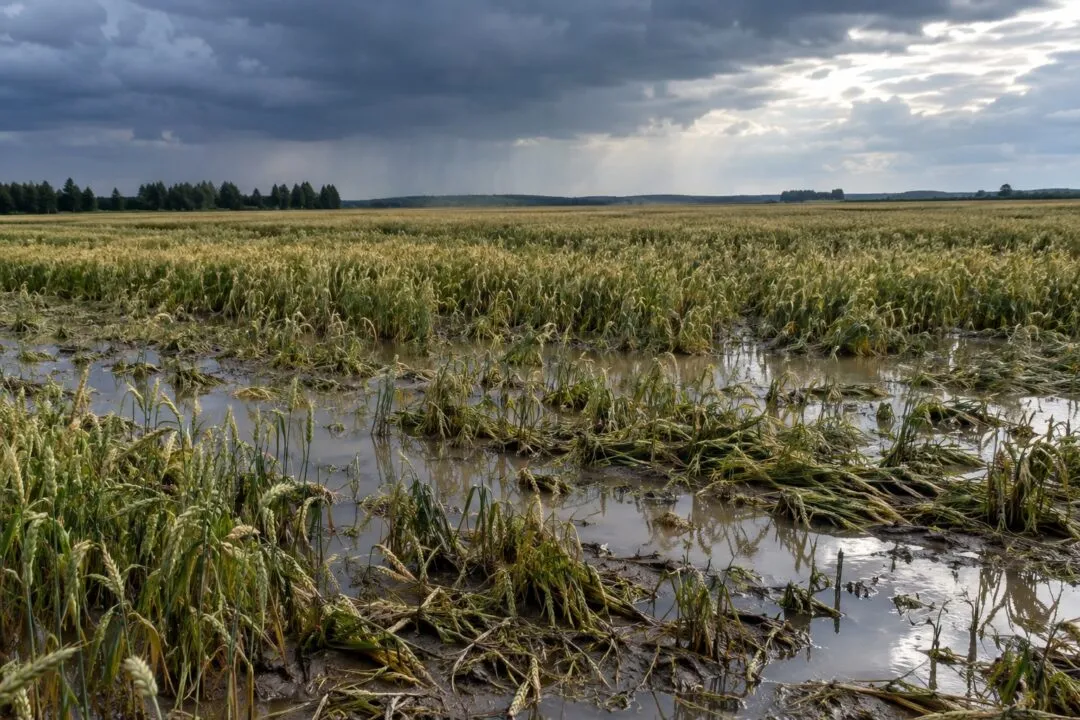
Droughts, frosts, waterlogging and other extreme weather events caused 91% in losses for Russian farmers, paid by agricultural insurers over 2024–2025 years. Climate change is driving the expansion of agricultural insurance models, said Korney Bizhdov, president of the National Union of Agricultural Insurers, at the ESG-Insur 2026 conference.
According to the NSA and the Bank of Russia, since 2018 payouts for agricultural risk insurance across all contract categories have totaled 48.5 billion rubles. More than half of that amount — 27.5 billion rubles — was paid out from the beginning of 2024 through September 2026 inclusive.
At the same time, the number of emergencies in the agricultural sector increased. In 2024–2025, 59 cases were recorded in 38 regions, compared with 34 cases in 28 regions over the previous two years.
Among examples of atypical climate risk manifestations, Bizhdov cited drought in southern Russia, including Krasnodar Krai, in 2025, extreme downpours in the steppe areas of the Volga region and the Urals during the harvest, as well as widespread late frosts in 2024.
According to the head of the NSA, climate change is simultaneously increasing demand for insurance and complicating market operations. Losses reduce farmers’ financial capacity to buy policies, while insurers are prompting to take a more cautious approach to agricultural risks.
«The main issue is changing underwriting approaches: from risk assessment models based on historical data, we need to move to preventive assessment that takes changing conditions into account,» Korney Bizhdov said.
In his view, the response to these challenges should be the development of digital technologies and the adaptation of insurance processes while preserving public-private partnership. The NSA intends to pay special attention to digital tools, including the use of artificial intelligence.
Korney Bizhdov also cited FAO data: the average annual damage to global agriculture from natural disasters has increased roughly threefold — from nearly 64 billion dollars in the period before 2010 to about 190 billion dollars after 2019, in comparable prices. Climate-related phenomena account for 89% of such losses.
Against this backdrop, in Russia the share of sown areas covered by insurance protection has increased since 2018 from 1.5% to 19–20% over the past three years.
 17:56, November 12, 2026
 17:19, November 12, 2026
 16:46, November 12, 2026
 15:43, November 12, 2026
Popular
Нет просмотренных постов.