


 Published: 12:58, November 12, 2026
Scientists have found a new way to combat invasive plants — with dogs
Invasive alien species are one of the main causes of biodiversity loss worldwide. A study by the Helmholtz Centre for Environmental Research (Germany) showed that, with proper training, teams of dogs can detect invasive species in the wild with an accuracy of up to 75%.
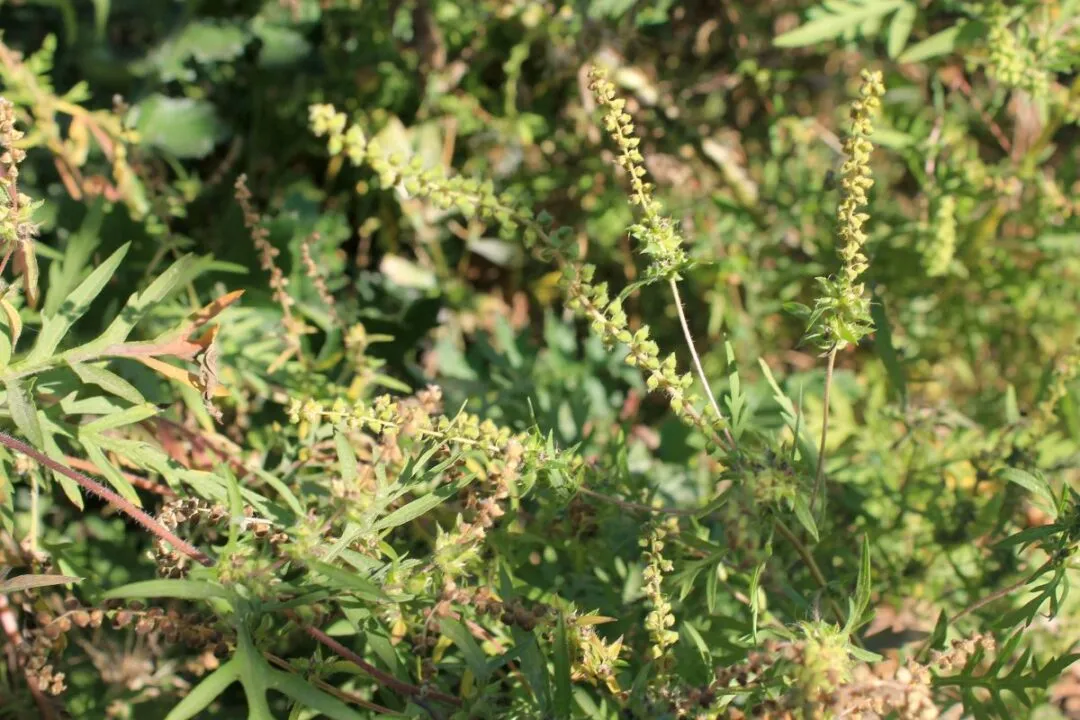
The lack of early detection methods limits scientists’ ability to control the spread of invasive alien species in new habitats. To develop effective and affordable ways to detect invasive species, researchers assessed the feasibility of a dog-handler training program.
From 2021 to 2023, researchers trained 31 dog to identify the Fallopia spp., Impatiens glandulifera and Ambrosia artemisiifolia. The training ended with a field test of the dogs’ ability to detect the target species in the wild.
Most of the animals passed the test.
Of the 12 teams that completed the field trials, 11 passed successfully, showing an average detection rate of 75%. Based on the study, a set of recommendations was developed to improve the effectiveness of similar projects aimed at improving dog selection, coordination and training.
This project demonstrates the possibility of training dogs to detect invasive alien plants, making it possible to reliably identify target species at an early stage of their spread.
In today’s world, the problem of invasive plant species is becoming increasingly urgent. The All-Russian Plant Quarantine Center (FSBI “VNIIKR” of Rosselkhoznadzor) studies alien plants that, when introduced into a new area, spread actively and displace native species.
Source: Opportunities and challenges in training volunteer wildlife detection dog-handler teams for invasive plant monitoring, PLOS One (2026). DOI: 10.1371/journal.pone.0359003
 13:32, November 12, 2026
 13:00, November 12, 2026
 12:59, November 12, 2026
 12:32, November 12, 2026
Popular
Нет просмотренных постов.