


 Published: 11:19, November 18, 2026
Cherkizovo increased IFRS profit by 20%
Cherkizovo Group’s net profit under IFRS for January–September 2026 rose by 20.3% year on year to 28.5 billion rubles. Revenue increased by 6.4% to 224.2 billion rubles, according to the company’s published results.
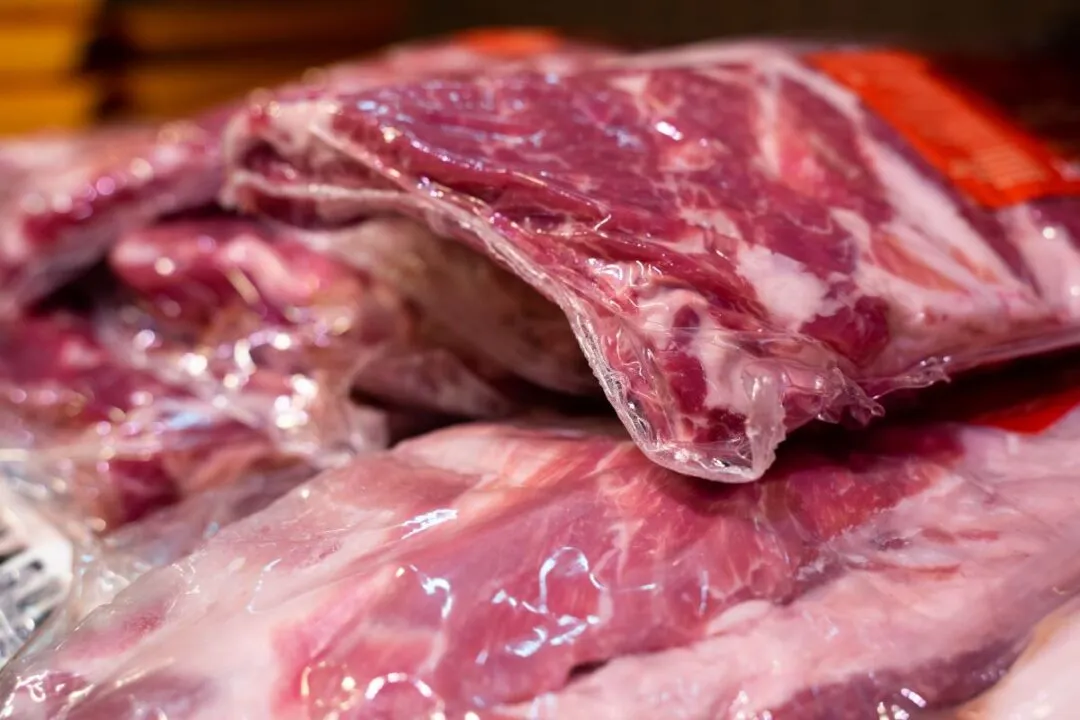
Revenue growth was driven by expanded distribution and higher sales of high value-added products, including under the Petelinka and Pava-Pava brands. At the same time, total sales volume changed little: it fell by 0.3% to 993.9 thousand tons.
Sales in the retail and wholesale channels rose by 1.1%. This largely offset the decline in export volumes by 10.1% and supplies to the food service segment by 0.9%.
Cherkizovo’s key financial results
| Показатель | Январь–сентябрь 2026 года, млрд рублей | Январь–сентябрь 2025 года, млрд рублей | Изменение |
|---|---|---|---|
| Выручка | 224,166 | 210,727 | +6,4% |
| Валовая прибыль | 73,086 | 68,143 | +7,3% |
| Скорректированная валовая прибыль | 68,849 | 54,611 | +26,1% |
| Операционная прибыль | 41,944 | 39,968 | +4,9% |
| Скорректированная EBITDA | 51,174 | 39,815 | +28,5% |
| Чистые процентные расходы | 12,292 | 15,294 | −19,6% |
| Прибыль до налогообложения | 29,443 | 24,289 | +21,2% |
| Чистая прибыль | 28,474 | 23,662 | +20,3% |
| Скорректированная чистая прибыль | 24,211 | 10,262 | +135,9% |
| Скорректированный свободный денежный поток | 19,827 | 5,211 | +280,5% |
| Чистый долг на 30 сентября | 131,054 | 142,286 | −7,9% |
Timely purchases of wheat and soybeans helped reduce cost of sales in the main segments, the company said. Adjusted EBITDA margin reached 22.8%, up by 3.9 percentage points. At the same time, transportation costs rose by 10.4% due to higher tariffs.
«The company’s interest burden remains significant: despite a reduction in net interest expenses by 19.6% to 12.3 billion rubles, the cost of borrowed financing continues to limit investment opportunities,» the company said in a comment.
The group links the decline in exports to Chinese authorities suspending accreditation for a number of enterprises and to an unfavorable exchange rate. Sales in food service were affected by lower traffic at fast-food restaurants and imports of chicken fillet from China.
Despite lower interest expenses, the high cost of borrowed financing continues to constrain investment. Capital expenditures fell by 8.2% over nine months. In the fourth quarter, the company expects seasonal demand growth and intends to continue controlling costs.
 12:48, November 18, 2026
 12:42, November 18, 2026
 11:08, November 18, 2026
 10:50, November 18, 2026
Popular
Нет просмотренных постов.