


 Published: 14:47, November 18, 2026
Sovecon lowers estimate of Russian grain exports in November
Analysts at Sovecon have lowered their estimate for grain exports from Russia in November to 2.7 million tonnes from a previous estimate of 2.8–3.2 million tonnes a week earlier. Russian wheat shipments in November are expected to fall to 2.7 million tonnes from 2.9 million tonnes in October — the first monthly decline since the start of the season, the company said in a report.
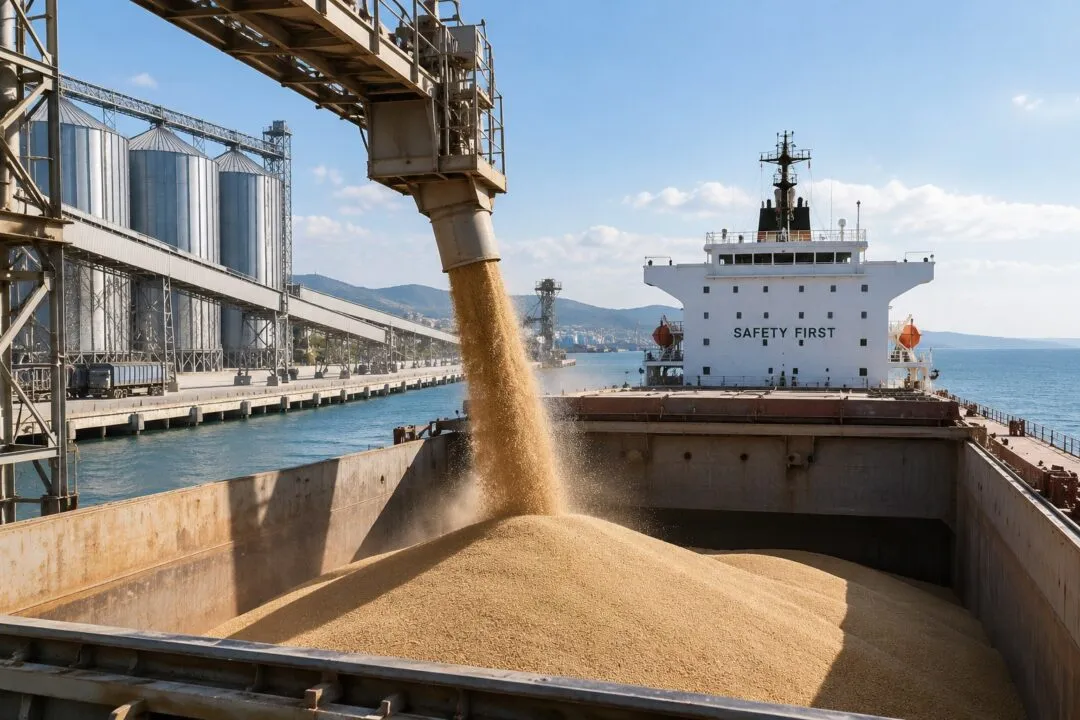
«The expected decline is linked to slower rail shipments, primarily to ports in Latvia and Lithuania,» the report said.
After shipping restrictions were introduced in the Azov-Black Sea basin in July, Russian wheat exports rose from 1.7 million tonnes in July and stabilized at 2.8–2.9 million tonnes per month. This is still well below the five-year average for this time of year — about 4.4 million tonnes per month.
However, congestion on the rail network and a shortage of grain wagons have begun to curb shipments, analysts said. Weekly shipments to ports in Latvia and Lithuania fell to about 50 thousand tonnes from 100 thousand tonnes a month earlier. Since November 16, Lithuania has introduced grain inspections that can take more than two months. The port of Ust-Luga has now become the main Russian grain export hub in the Baltic and handles about 0.6–0.7 million tonnes of grain per month.
According to Sovecon, after a renewed strike on the Kerch Bridge on November 17, one of its arches collapsed, blocking the Kerch-Yenikale Canal — the only navigable route between the Azov and Black seas. Clearing the debris could delay the resumption of navigation for several weeks. The Azov Sea usually accounted for about a quarter of Russian grain exports.
On November 9, Sovecon lowered its forecast for Russian wheat exports in the 2026-2027 season from 36.7 million tonnes to 36 million tonnes. The company’s base case assumes that navigation in the Black Sea will not normalize before spring 2027.
 19:16, November 18, 2026
 17:45, November 18, 2026
 17:29, November 18, 2026
 16:30, November 18, 2026
Popular
Нет просмотренных постов.