


 Published: 09:21, November 20, 2026
Sunflower oil fell in price by 18% in October
Soybean oil became more expensive in January–October 2026 year in Russia: the average price rose by 2.6% compared with the same period last year. Sunflower oil changed little in price, while rapeseed oil fell by 18%, according to an OleoScope analysis. But in October, the price of sunflower oil fell by 17.9%.
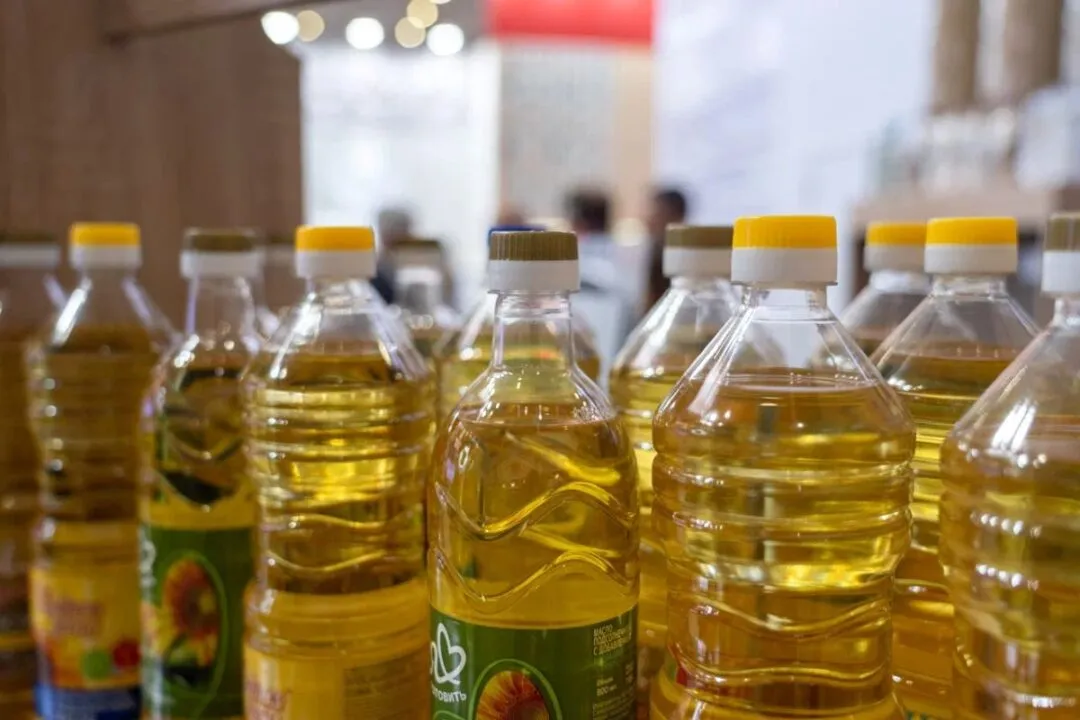
Over ten months, sunflower oil practically retained last year’s price: 85.43 thousand rubles per ton versus 85.36 thousand rubles. The increase was only 0.08%.
At the same time, prices for it fell significantly in autumn. After the July peak of 95.1 thousand rubles per ton, the price dropped to 91.6 thousand rubles in August, 74.5 thousand rubles in September and 70.8 thousand rubles in October. Compared with October last year, the decline was 17.9%.
The average price of soybean oil over ten months was 80.8 thousand rubles per ton versus 78.7 thousand rubles a year earlier. In October, the price was 3.7% lower than a year earlier — 75.7 thousand rubles per ton versus 78.6 thousand rubles.
In January–September, the price of soybean oil ranged from 79.7 to 82.6 thousand rubles per ton. A more noticeable decline occurred in October, but it did not change the positive trend in the average price for the reporting period.
The average price of rapeseed oil in January–October fell by 18%, to 33.4 thousand rubles per ton from 40.7 thousand rubles a year earlier. However, in October it was the only one of the three oils under review to show year-on-year growth: by 3%, to 37.5 thousand rubles per ton.
Overall, prices on the Russian market for oilseeds and their processed products mostly declined. According to OleoScope, the average cost of sunflower, soybeans and rapeseed over ten months decreased by 7.2–11.9%, while the main types of meal fell by 12.4–20.5%. In October, sunflower meal and sunflower seeds became notably cheaper — by 59.2% and 34.9% respectively, compared with October 2025 year.
Among the factors putting pressure on domestic prices, analysts cite increased supply of oilseeds, the arrival of the new crop and export logistics constraints. Further trends will depend on processing rates, the ability to export oils and meals, and domestic demand.
 15:55, November 20, 2026
 15:25, November 20, 2026
 14:51, November 20, 2026
 14:11, November 20, 2026
Popular
Нет просмотренных постов.