


 Published: 17:01, November 25, 2026
Production of bakery products in Russia will rise to 6.4 million tons in 2026
The volume of bread and bakery products production at the end of 2026 will reach 6.4 million tons, according to a Rosselkhozbank report citing data from the industry expertise center. Compared with last year, output will increase by 3% or 196 thousand tons.
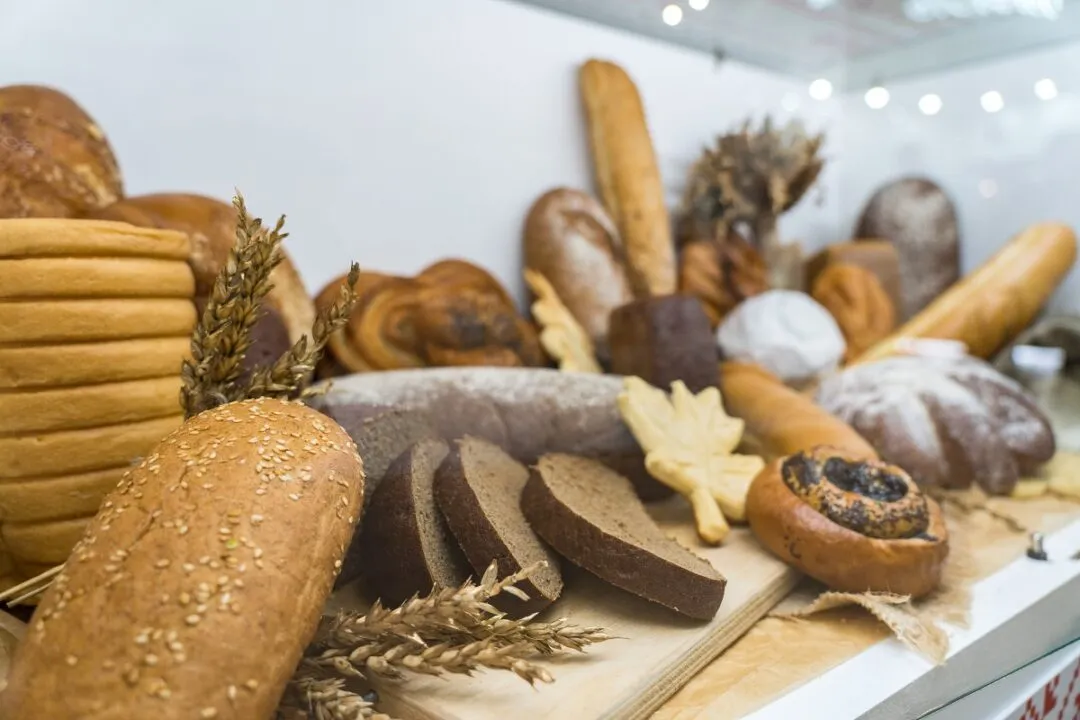
«The market for bakery and confectionery products in Russia remains stable thanks to a sufficient resource base that fully covers domestic needs. By the end of the current year, the volume of bread and bakery products production, including semi-finished products, will reach 6.4 million tons. This is 3% (196 thousand tons) more than in 2025,» the report says.
Flour
The balance of flour milling production (wheat and rye-wheat flour) in 2026 is estimated at 8.8 million tons, with domestic consumption at 8.1 million tons. Flour exports at the end of the year are expected to reach 550 thousand tons, which is 4% more than in 2025.
Confectionery and pasta segments
Here, volumes are expected to remain at last year’s level — 4.06 million tons and 1.51 million tons, respectively. According to the forecast, output of specialized bakery products (dietary and micronutrient-fortified) in 2026 will increase to 41% compared with 2025, products with grain ingredients — by 25%, and frozen semi-finished products — by 20%.
Demand
Interest in a healthy lifestyle has affected demand for the products. In 2025, consumption of bread products fell to 112 kg per person per year. In 2024, this figure was 113 kg per person per year. As for confectionery products, demand fell from 27.1 kg per person per year to 26.2 kg.
Notably, the industry is seasonal. Products are most in demand in December, amid holiday demand. In December 2025, bread production reached 527 thousand tons, compared with a low of 469 thousand tons in February.
By region, the confectionery industry leader at the end of 2025 was the Moscow region, with a share of 13.2% in total output. The top three also included Voronezh (9.3%) and Vladimir (4.5%) regions.
 16:38, November 25, 2026
 16:17, November 25, 2026
 15:03, November 25, 2026
 14:09, November 25, 2026
Popular
Нет просмотренных постов.