


 Published: 14:09, November 25, 2026
The number of processing plants is not what matters — expert
More than half of the investment in deep processing of grains and legumes — 157 billion out of 282 billion rubles — by 2030 will be directed toward the production of goods using biotechnologies, according to the Center for Industry Expertise of Rosselkhozbank. But the amount of investment and the number of facilities are not the main thing, says Artem Ponomarev, CEO of Partner-M JSC (a Russian raw-material processor and producer of food and feed ingredients). The expert shares his view in an op-ed.
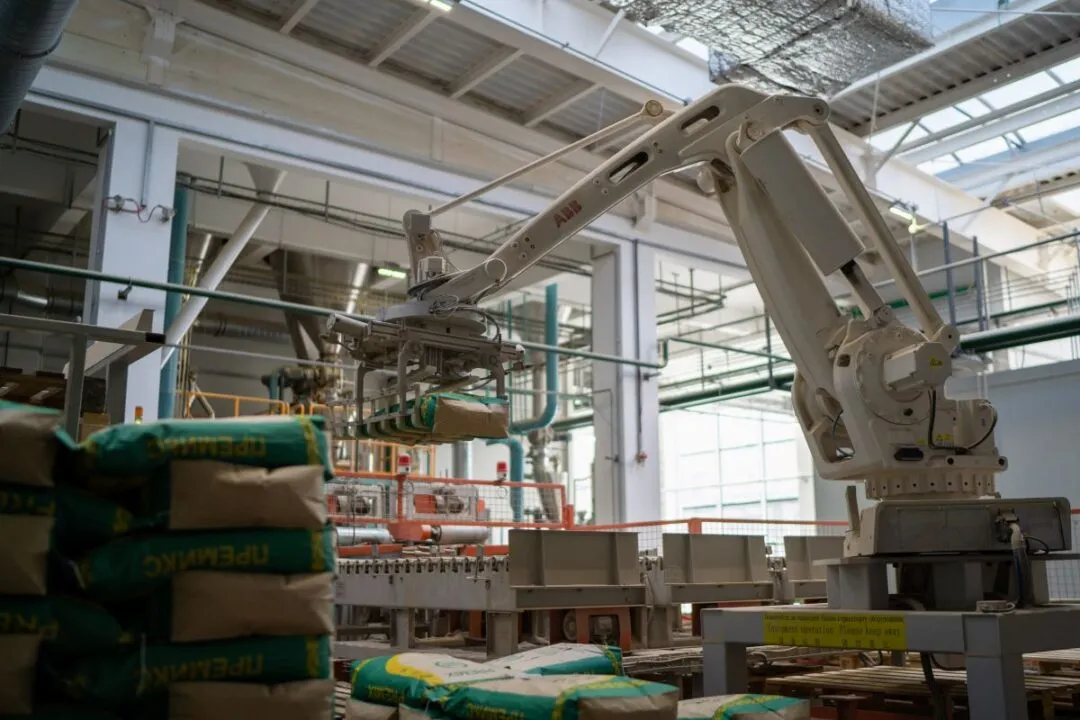
Interest in biotechnologies in deep grain processing is quite understandable: the production of proteins, amino acids, enzymes and other ingredients makes it possible to obtain more complex and potentially more valuable products from raw materials. However, the share of investment in itself reflects the capital intensity of production rather than proving its future profitability.
The key question is who the companies will sell the products to and at what price. If domestic demand is insufficient for efficient capacity utilization, the project must from the outset take export markets into account or provide for technology that allows it to operate with a competitive cost price at a smaller scale. Otherwise, there is a risk that new enterprises will depend on constant state support.
Another important task is the transition from laboratory development to industrial production. Obtaining a protein, granule, enzyme, amino acid or other ingredient in a laboratory and producing it in thousands of tons with stable quality and a competitive cost price are different tasks. When scaling up, cultivation conditions, heat and mass transfer, sterility requirements, purification and power supply change. That is why pilot plants, engineering expertise, industrial trials and interaction with future ingredient consumers are important. It is necessary to test not only whether the product can be produced, but also its cost, functional characteristics and suitability for a specific application.
At the same time, new biotechnological complexes should not be set against existing deep-processing enterprises: their competencies can complement each other. Biotechnological production facilities can produce protein concentrates, amino acids, enzymes and other components, while processors can turn them into functional ingredients and technological solutions for the food industry.
Therefore, the development of Russia’s bioeconomy should be assessed not by the number of plants built, but by how successfully their products find application in production chains and compete with global analogues.
 17:01, November 25, 2026
 16:38, November 25, 2026
 16:17, November 25, 2026
 15:03, November 25, 2026
Popular
Нет просмотренных постов.